

Energy efficiency is a continually evolving puzzle of ideas, potentials, technologies and solutions. From variable speed drives, demand response to behavioral change and investments, energy efficiency it its broadness and dynamics is both the exciting and most demanding area of current energy technology development as well as sustainability policies.
When in 2011 we started EEIP (Energy Efficiency in Industrial Processes), we hoped to make a conservative industry more exciting and more open. We did this on then growing and exciting social media. With rocketing uptake and growth of our network we realized an immense internal dynamics in energy efficiency. It took us by surprise. Energy efficiency is global, it is happening. We worked to connect suppliers to the energy users, best available technologies to the projects and financing to ensure successes.
The biggest obstacle to energy efficiency in business is not lack of awareness of energy used, or ability to pass energy costs to customers, or the lack of funding or perceived risk in investing in energy efficiency. The barrier is energy efficiency information flow. Energy saving technologies are existing, improving and developing in technologies and often becoming more affordable.
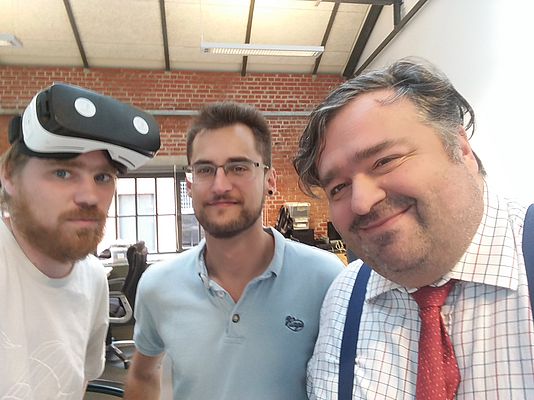
EEIP has been a market leader in use of social media to communicate industrial energy efficiency. Nascent mobile Virtual Reality (VR) technologies are the logical next step to explore how to improve this communication.
Virtual reality headsets are reaching mass-market. With Google Daydream Virtual Reality is becoming mainstream. What could be a potential for business-to-business marketing. These can range from developing and showing prototypes. Having an energy efficiency product or service at hand and being able to demonstrate to a potential investor or customer. With VR, providers already have software on the market that can help them with creation of prototypes that can be adjusted as needed and integrated into virtual energy management models.
Providing Virtual Reality demonstrations can give confidence to otherwise hard to illustrate energy efficiency solutions, such as use of recovered industrial heat in district heating or complex industrial equipment. Existing information, like information sheets or product videos, can be integrated in VR demonstrations. Supply business can connect to their potential clients in a new and exciting way.
Although VR might not be able to ensure total solution to difficulties in sharing information on energy efficiency, it could make demonstration of energy efficiency solutions even more attractive and engaging. VR is exciting new technology that raises interests and attracts attention from individuals and businesses. Educating on energy efficiency is the best way for more projects, and using VR keeps energy efficiency fun and exciting.
By Dusan Jakovljevic, Policy Director EEPI, Brussels Belgium