
The debate over energy efficiency now encompasses the entire electronics value chain. It ranges from semiconductors, power supply and embedded systems to electromechanics and industrial connection technology. The question of how best to achieve energy efficiency is a recurring theme across nearly all application areas, from consumer electronics and automotive electronics to industrial systems and devices.
As the world’s leading trade fair and conference for electronics, electronica brings together companies from across the entire value chain to discuss technical challenges and current trends in using energy efficiently. “Energy efficiency is becoming a key requirement for the electronics industry. At electronica, it’s clear that efficient products are in demand today in virtually every sector – from electromechanics and automation to connected industrial applications,” says Caroline Pannier, Exhibition Director for electronica.
Energy costs are falling thanks to efficient electronics
Recent studies show that energy efficiency is becoming increasingly important across various industries. In the automotive sector, the IEA’s Global EV Outlook 2026 shows that electric mobility continues to gain momentum: in 2025, more than 20 million electric cars were sold worldwide, meaning that roughly one in four new cars sold is already electric. As a result of this trend, the demand for energy-efficient electronics is growing – from power electronics and charging infrastructure to battery technology.
A study by Fraunhofer IZM shows that modern technologies are improving energy efficiency. Because of this, the energy requirements of mobile networks will increase only moderately in the coming years despite rising data volumes. Energy efficiency is also becoming a greater focus in other sectors, such as electronics manufacturing. McKinsey concludes that it is possible to reduce energy costs for semiconductor factories by 20 to 30 percent through efficiency measures.
Energy efficiency often stems from the system
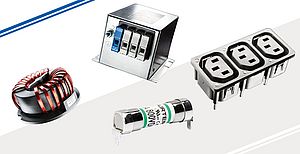
For the electronics industry, this means that energy efficiency is becoming a strategic factor both in the product itself and in the manufacturing process. This is particularly evident in the field of electromechanics. This field doesn’t just deal with individual components, but also with the way connectors, housings, cable routing and interfaces interact with each other.
Low contact resistance, robust connection technology, EMC-compliant design and maintenance-friendly systems reduce losses, enhance operational reliability and simplify maintenance. The focus is therefore increasingly shifting toward the system as a whole, which has to be designed to be energy-efficient in order to conserve energy directly at the source.
At electronica 2026, around 3,500 exhibitors from some 60 countries will showcase their latest solutions for the All Electric Society. Topics such as energy efficiency, automation and the circular economy will also be addressed in the supporting program and in the forums, where participants will discuss technological developments, regulatory issues and sustainable concepts for the future.