

This is the second part of the article, which looks at the criteria to consider when choosing the right compressor. You can find Part 1, which is designed to help you decide whether to repair or replace, here: https://www.ien.eu/bingo/66726.
If analysis indicates replacement as the optimal path, the following factors become essential to selecting the appropriate new system:
Air Demand Precision: Matching Tool and Process Requirements
Begin with a comprehensive assessment of your actual compressed air requirements. Measure both flow (CFM/m³/min) and pressure (PSI/bar) demands across different operational scenarios. Include peak demands, average consumption, and minimum requirements. This data prevents both over-specification (wasting capital and increasing ongoing energy costs) and under-specification (leading to performance issues and premature replacement).
Modern audit equipment can log demand patterns over extended periods, revealing actual usage profiles rather than relying on theoretical calculations. This empirical data forms the foundation for selecting appropriately sized equipment that matches your precise operational needs.
Compressor Technology Selection: Finding the Right Fit
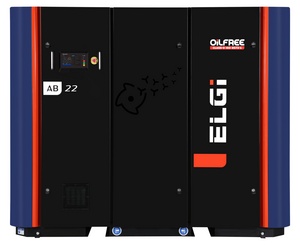
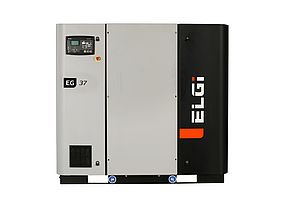
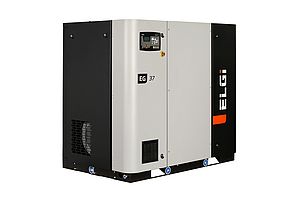
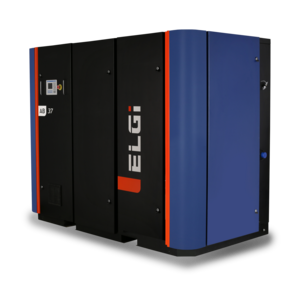
Different compressor technologies offer distinct advantages for specific applications. Rotary screw compressors provide reliable, continuous operation for industrial applications. Piston compressors suit intermittent use with higher pressure requirements. Centrifugal compressors excel in high-volume, constant-demand environments, while scroll compressors offer oil-free air for sensitive applications at lower volumes.
Evaluate which technology aligns with your operational profile, considering factors like duty cycle, pressure requirements, and air purity needs. The optimal technology selection delivers the required performance while minimising energy consumption and maintenance requirements.
Compressed Air Quality Requirements: Meeting Application Standards
Different processes require different compressed air quality levels. Electronics manufacturing, pharmaceutical production, and food processing typically demand oil-free compressed air (ISO 8573-1 Class 0), while general manufacturing may tolerate standard lubricated compressors with appropriate filtration.
Determine the compressed air purity requirements for your most sensitive applications, considering particulates, moisture, and oil content specifications. Selecting a compressor that inherently meets these requirements may prove more economical than adding extensive downstream purification equipment to a less expensive but less suitable compressor.
Power Infrastructure Compatibility: Ensuring Seamless Integration
Verify that your electrical infrastructure can support your preferred compressor configuration. Check voltage requirements, phase specifications, and starting current demands against your facility's capabilities. Upgrading electrical infrastructure adds significant cost to compressor replacement projects and may impact project viability.
For larger installations, evaluate potential harmonic issues with variable speed drives and confirm that your power supply quality meets the manufacturer's specifications. Proper electrical matching prevents damage to both the compressor and other equipment sharing the same power infrastructure.
Environmental and Acoustical Considerations: Location Matters
The operating environment significantly impacts compressor performance and lifespan. Evaluate temperature ranges, dust levels, and available ventilation at the installation location. Compressors require adequate cooling air and proper ventilation to function efficiently and reliably. Noise constraints may necessitate acoustic enclosures or remote installation locations. If noise reduction is important, compare sound levels (dBA) between models and calculate the cost-benefit of quieter operation versus other features. Remember that ventilation requirements may increase with acoustic enclosures, potentially requiring additional ductwork or cooling provisions.
Air Storage Requirements: Balancing Demand Fluctuations
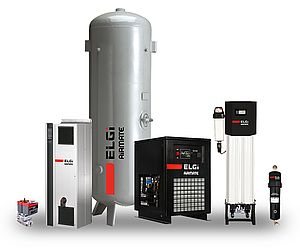
Properly sized receiver tanks stabilise system pressure and reduce compressor cycling. Determine appropriate air storage capacity based on demand patterns, particularly in applications with high peak demands or rapid fluctuations. Adequate storage can permit smaller compressor specifications by managing short-duration peak demands through accumulated reserve.
Consider both the physical space available for storage and the pressure requirements of your processes when specifying receiver tanks. Multiple smaller tanks strategically placed throughout distribution systems often prove more effective than a single large tank, particularly in extensive installations.
Energy Efficiency Technologies: Maximising Return on Investment
Variable speed drives (VSDs) offer significant energy savings in applications with fluctuating demand by adjusting motor speed to match actual requirements. Heat recovery systems can capture up to 90% of input energy for factory space heating or process water warming. Sequence controllers optimise multiple compressor installations, ensuring the most efficient combination operates based on demand.
Calculate the payback period for these efficiency technologies based on your operating profile, energy costs, and utilisation patterns. While they increase initial investment, they often deliver the most substantial lifecycle cost reductions, particularly in high-usage applications.
Space Utilisation: The Footprint Factor
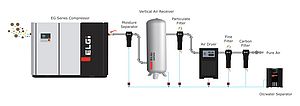
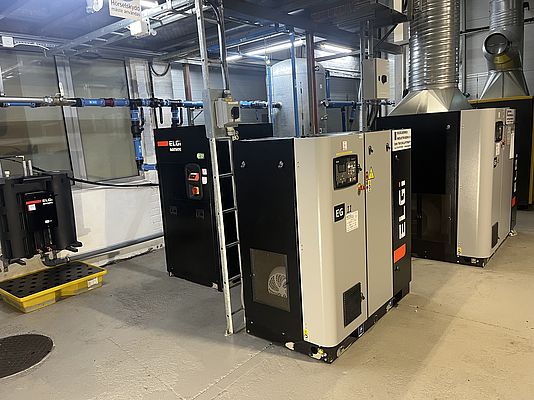
Modern compressors typically offer smaller footprints than older equivalents, potentially freeing valuable production space. Evaluate installation space requirements including maintenance access, ventilation clearances, and service points. Remember that ancillary equipment like dryers, filters, and receivers requires additional space beyond the compressor footprint.
Consider vertical configurations where floor space is limited, but confirm adequate ceiling clearance and lifting capabilities for installation and maintenance. The smallest footprint may not represent the optimal solution if it compromises serviceability or cooling efficiency.
Total Cost of Ownership: Beyond the Purchase Price
Evaluate prospective compressors based on lifecycle costs rather than initial price. Calculate energy consumption over the anticipated ownership period, typical maintenance expenses, and expected reliability based on warranty terms and service intervals. Longer warranties often signal manufacturer confidence in reliability, potentially indicating lower lifecycle costs despite higher initial investment.
Request references from existing users with similar applications to verify real-world performance and reliability. Manufacturer claims should be substantiated through case studies or testimonials from comparable operations, providing confidence in projected operation costs.
Serviceability: Ensuring Long-Term Support
Assess the ease of routine maintenance and the availability of qualified service providers in your region. Some manufacturers offer comprehensive service packages with guaranteed response times and predictable costs, while others rely on third-party service networks with varying capabilities and availability.
Evaluate parts availability, service intervals, and maintenance requirements against your internal capabilities. A slightly more expensive compressor with better service support and parts availability may prove more economical over its lifespan than a less expensive unit with limited support infrastructure.
The Crucial Compressed Air Audit
Before finalising any replacement decision, conduct a comprehensive compressed air audit. This evaluation should analyse current usage patterns, identify leaks in the distribution system, assess air quality requirements, and determine actual pressure needs at point-of-use.
Professional audits often reveal opportunities to reduce demand through leak repair, pressure optimisation, or inappropriate uses elimination. Addressing these issues before sizing a new compressor often permits smaller, less expensive equipment while improving overall system efficiency. Many compressor manufacturers offer audit services, providing valuable insights before significant capital commitment.
Conclusion
The repair-or-replace decision represents a significant investment consideration with long-term operational implications. By methodically evaluating the factors outlined in this article, maintenance managers can make informed decisions that optimise both immediate operational needs and long-term financial performance.
Remember that compressed air systems typically operate for 10-15 years, making this decision one that impacts operations for over a decade. Prioritise thorough analysis over rushed judgments, considering both immediate costs and long-term implications. The optimal decision balances financial prudence with operational reliability, ensuring your compressed air system remains an asset rather than a liability in your production environment.