

Resolve Optics is offering a specialist service for the redesign and production of sensor-optimised optical systems intended for space applications. Drawing on an established portfolio of radiation-resistant optical designs, the company develops customised optics capable of addressing the environmental challenges encountered during launch and long-term orbital operation.
Athermalised systems withstand thermal cycling
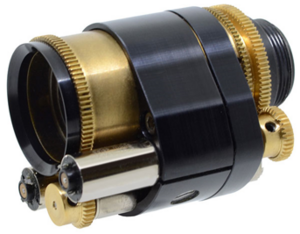
Resigning optical systems for use in space requires consideration of factors such as vibration, shock loading, temperature extremes, vacuum conditions and exposure to high levels of radiation. According to the company, optical elements and moving components are mechanically secured to withstand launch conditions and prevent shifts that could affect optical performance. To address thermal cycling caused by repeated transitions between direct sunlight and Earth's shadow, the optical systems are passively athermalised. This approach is intended to maintain focus despite expansion and contraction of mechanical and optical components during operation.
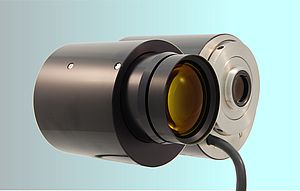
Materials selection is also tailored to space environments. The designs utilise low-outgassing aerospace materials and vacuum-compatible coatings to support reliable operation under high-vacuum conditions. For radiation resistance, optical elements are manufactured from cerium oxide-doped glass or synthetic silica. These materials can withstand radiation doses of up to 100,000,000 rad and temperatures above 100°C without discoloration or optical degradation. The company also employs cerium-doped non-browning glasses and reflective mirror architectures where appropriate.
The resulting optical systems are intended for satellite payloads, spaceborne sensors and imaging equipment requiring customised optical performance combined with resistance to temperature fluctuations, radiation exposure and mechanical stress.