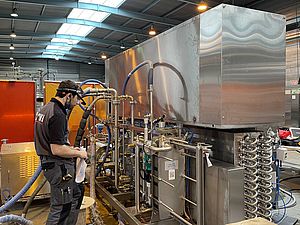
Yokogawa Electric Corporation announced it has been selected by Shell Plc to be the main automation contractor (MAC) for the construction of its Holland Hydrogen I plant in the Dutch port of Rotterdam.
State of the current traceability challenges and solutions in automotive production and what to consider.
Mike Bradford, Strategic Business Development Director at DELMIA, gives us an in depth review of what MES is, why it’s essential for manufacturers and the key differences between manufacturing operations management (MOM) and MES.
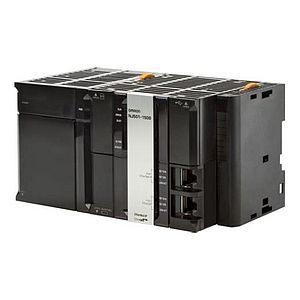
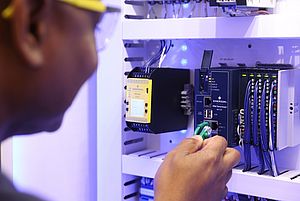
One Integrated Solution for Control & Automation
Envisioning the future of process automation
Tablet PC for "almost" any place - whether cornfield, in the office or in the vehicle
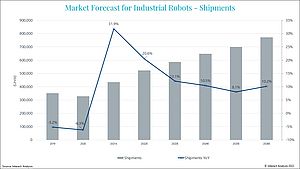
Market to grow to $20bn by 2026. Shipment growth rates saw year-on-year increase of over 30% in 2021. Industrial robot market moves from “mature” to an exciting growth phase.
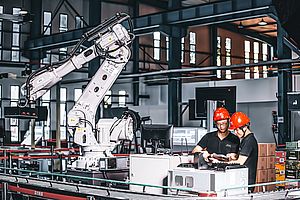
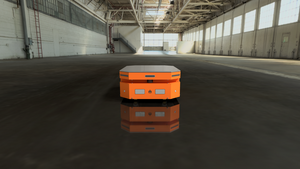
Dedicated to heighten robotic standards in warehouse logistics
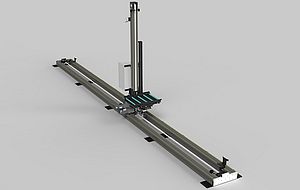
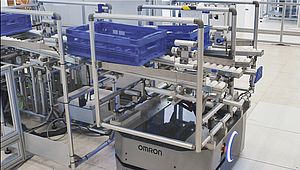
Production increase while in-plant logistics costs decrease
Built-in security, open protocols and high performance
Softing is taking on the challenge of implementing IoT and Industry 4.0 applications by offering an integrated software solution that has comprehensive functions for efficient and reliable digital data exchange and data management
Engineered for digitizing building automation networks
The company will be showcasing a major product launch alongside its automation products as well as revealing its new corporate identity.
This acquisition will enhance PTC’s strength in next-generation application lifecycle management (ALM)
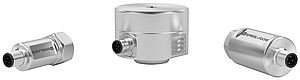
When vibration sensors directly measure the machine condition
AMD-Xilinx Extends Versal ACAP Portfolio with Versal Premium with AI Engines, providing high-performance signal processing for next-generation wireless and radar systems.
The company will demonstrate the future shape of “i-Automation” - OMRON’s manufacturing innovation concept - as the direction of manufacturing evolution for the next decade.
Delivers 1080p real-time live display monitoring
How to deal with travel bans when business asks for on-site technicians to be present at customers' facilities abroad? Actini chose augmented reality and PTC's Vuforia® Chalk™ remote support solution.
World first cobot plastic gearbox
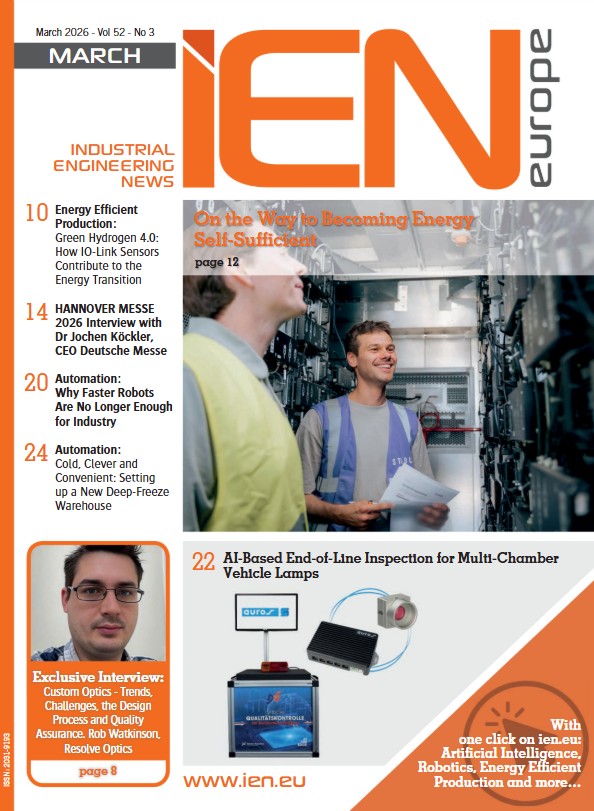
Digital Edition Download PDF