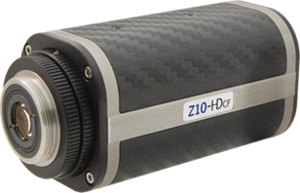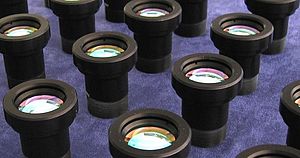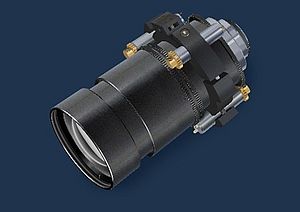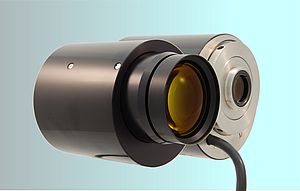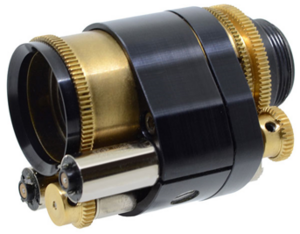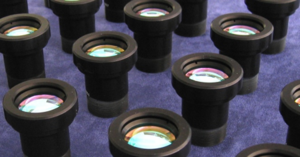



Resolve Optics has supplied an initial batch of 10 flight ready lenses to a manufacturer of compact camera cores designed to withstand launch conditions and maintain optical performance while being exposed to the extreme operating conditions experienced in the space environment. Designed to operate in Low Earth Orbit (LEO) - the cameras with integrated flight ready lenses will be installed on satellites operating at altitudes of between 160 to 2,000 kilometres and flying at approximately 17,000 mph.
Resolve Optics was approached by a camera core manufacturer to develop a new 6mm lens for use in space. Due to the camera core manufacturers tight delivery requirements designing a new optimised lens from scratch was not an option. The lens needed to be radiation resistant to withstand prolonged use in space, athermalized to deliver consistent performance across a wide temperature range and ruggedised to withstand the rigors of launch.
Speeding up design processes
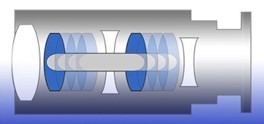
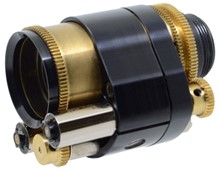
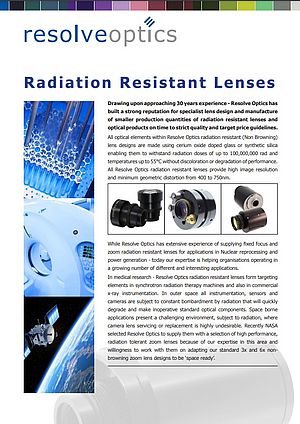
A new space-ready lens was produced by redesigning the pre-existing optical design of a 6mm fixed-focus radiation-resistant nuclear lens. This approach allowed a new optimised camera lens to be developed in a fraction of the time that would have been required for a lens to be designed from the ground up. Designed to provide uncompromised performance on the customers radiation resistant camera the new 6mm focal length fixed focus lens delivers a high quality, large aperture (f/2) image and minimal geometric distortion from 400 – 750 nm. Manufactured to the highest quality standards from cerium doped glass, the new space ready lens can withstand radiation exposure of up to 1 MGy (100,000,000 rads) and temperatures up to 55 degrees centigrade without discoloration.
Designing and producing optics for use in space is a highly specialised area where expertise and experience are critical. Resolve Optics has been supplying lenses and optical systems for space applications for over 15 years. During this period, the company has acquired a considerable amount of knowledge with regards to the do’s and don’ts of designing for this harsh environment.