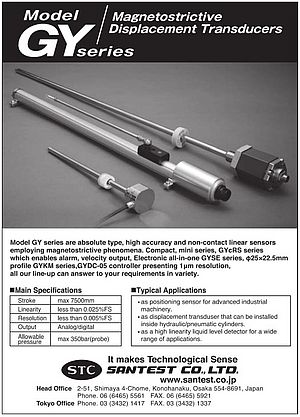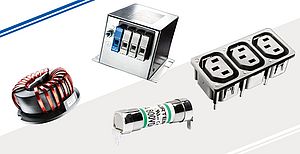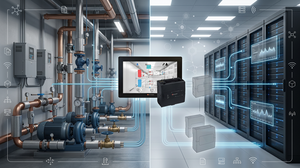


A total of around 1,175 exhibitors from 40 countries will present their innovations, products and solutions at the Nuremberg Exhibition Centre. Spread across 15 halls, visitors will gain a comprehensive insight into the entire spectrum of industrial automation: From sensor technology and drive technology, through industrial communication and software, to intelligent automation solutions for the digital factory. Trade visitors from all over the world are expected, including a high proportion of decision-makers and end-users.
“Automation is currently evolving at a rapid pace: AI, software-based solutions and open systems are bringing about lasting change in industry. For companies, the question arises as to which technologies are suitable for industrial use and what measurable benefits they bring. As the leading trade fair for the automation sector, SPS offers the ideal platform to discover the latest innovations and network with the industry’s key players,” says Steffen Winkler, CSO of the Automation Business Unit at Bosch Rexroth AG and Chair of the SPS Exhibitors’ Advisory Board.
Industrial AI as transformation drive
A key theme of SPS 2026 is the ongoing integration of artificial intelligence into industrial processes. AI applications are increasingly evolving from individual pilot projects into productive components of modern automation solutions. Whether in engineering, the analysis of production data, quality assurance or the optimisation of machinery and plant – Industrial AI opens up new possibilities for efficiency, flexibility and resilience in production. At SPS, exhibitors will use concrete applications to demonstrate how companies can already benefit from the added value of artificial intelligence today.
Software-Defined Industry as the Basis for Flexible Production Systems
As software exerts an increasing influence on industrial value-creation processes, the concept of a Software-Defined Industry is also gaining in importance. Agile, software-based architectures are increasingly replacing hardware-centred structures with deterministic processes. This makes production systems more adaptable, more interconnected and more rapidly scalable.
“The future of productivity will be data- and software-driven,” says Gunther Koschnick, Director Industry at ZVEI (German Electro and Digital Industry Association). “In future, industrial AI will be able to analyse and help control entire value chains. The long-term vision is for machines to find the most efficient route to a specific production target themselves.”